The Benefits and Power of Journaling: A Path to Self-Discovery and Mindfulness

Journaling is a simple yet profound practice that can help us deepen our mindfulness, reduce stress, and gain clarity in both our personal and spiritual lives. For many, it serves as a form of meditation in written form, allowing emotions, thoughts, and ideas to be expressed freely. Whether you’re new to journaling or have kept a journal for years, integrating it into your yoga practice can be a transformative way to connect more deeply with your inner self.

Table of Contents

  • What is Journaling?
  • The Benefits of Journaling
    • Emotional Clarity
    • Mindfulness and Presence
    • Stress Relief
    • Tracking Growth
    • Manifesting Goals
  • Easy Ways to Start Journaling
    • Stream of Consciousness
    • Gratitude Journaling
    • Yoga Reflection
    • Prompts for Inspiration
  • Final Thoughts on Journaling

What is Journaling?

At its core, journaling is the act of writing down your thoughts, feelings, experiences, and reflections. It’s a way to clear mental clutter and gain insight into your emotions. In the context of yoga, journaling can enhance self-awareness by helping you observe patterns in your thoughts, reflect on your intentions, and track your personal growth over time.

The Benefits of Journaling

  1. Emotional Clarity: Journaling helps to process emotions by putting them on paper. Writing about your experiences can provide a sense of relief, clarity, and even resolution to challenging situations.
  2. Mindfulness and Presence: By regularly reflecting on your day or your yoga practice, you cultivate greater awareness of the present moment, which helps you stay grounded and mindful throughout your daily life.
  3. Stress Relief: Journaling can act as a release valve for stress, allowing you to let go of pent-up frustrations, anxieties, or worries. As you release these emotions onto the page, you may feel lighter and more centered.
  4. Tracking Growth: Reflecting on your yoga practice or personal goals through journaling can help you observe how far you’ve come. Noticing progress—whether in flexibility, mindset, or emotional resilience—can boost motivation.
  5. Manifesting Goals: Writing down goals and intentions reinforces them in your mind. It helps to clarify what you truly desire and keeps you focused on achieving those goals, both on and off the mat.

If journaling feels intimidating, don’t worry! You don’t have to write perfectly or have grand insights every time.

Here are some simple ways to get started:

Easy Ways to Start Journaling

  • Stream of Consciousness: This method involves writing whatever comes to mind without worrying about structure or grammar. Set a timer for 5-10 minutes, and let your thoughts flow freely.
  • Gratitude Journaling: Each day, write down three things you’re grateful for. This simple practice helps to shift your focus to the positive aspects of your life and encourages a mindset of abundance.
  • Yoga Reflection: After your yoga practice, take a few moments to write down how you feel physically and emotionally. Did any thoughts or emotions come up during practice? How does your body feel today compared to previous sessions?
  • Prompts for Inspiration: Use journal prompts to guide your writing. Here are a few to get you started:
    • “What am I currently feeling, and why?”
    • “What intention do I want to set for my next yoga practice?”
    • “How can I show myself more love and compassion?”

Final Thoughts

Journaling is a powerful complement to your yoga practice, offering a space for reflection, emotional release, and self-discovery. By putting pen to paper, you’re not just writing—you’re creating a bridge between your mind, body, and spirit. So grab a notebook, settle in, and let your thoughts flow. You might just find that journaling becomes one of your favorite mindful practices.

Ready to start? Try integrating journaling into your daily routine today, and see how it enhances both your yoga practice and your connection with yourself!

Try journaling today:

the Overthinker Tarot Card Notebook Journal
Lined Journal Notebook for Men and Women
Mr. Pen- Retractable Gel Pens
Black Bee Lined Journal
Good Days Start with Gratitude Journal
Inspirational Daily Calendar
the Overthinker Tarot Card Notebook Journal
Lined Journal Notebook for Men and Women
Mr. Pen- Retractable Gel Pens
Black Bee Lined Journal
Good Days Start with Gratitude Journal
Inspirational Daily Calendar
the Overthinker Tarot Card Notebook Journal
Lined Journal Notebook for Men and Women
Mr. Pen- Retractable Gel Pens
Black Bee Lined Journal
Good Days Start with Gratitude Journal
Inspirational Daily Calendar
photo of an open journal with a blank pge
Follow:

The Transformative Power of Hip Openers: Unleashing Flexibility and Releasing Emotions

As a yoga instructor, one of the most common areas I see students seeking to improve is hip flexibility. The hips are often referred to as the body’s “junk drawer” because they tend to store a lot of tension, both physical and emotional. That’s why hip openers are such an integral part of a balanced yoga practice—they not only increase mobility but also help release deeply held emotions.

What Are Hip Openers?

Hip openers are yoga poses designed to stretch and strengthen the muscles surrounding the hips, including the hip flexors, glutes, hamstrings, and inner thighs. These poses create space in the hip joints, improve range of motion, and encourage flexibility in an area that can often feel tight and restricted.

In yoga, hip openers are considered both physically and energetically beneficial. On a physical level, they alleviate tension caused by prolonged sitting or intense physical activity. Energetically, the hips are associated with the sacral chakra (Svadhisthana), which governs our emotions, creativity, and sense of connection. When we open our hips, we can access and release pent-up emotions, leading to a greater sense of emotional balance and well-being.

Start Where You Are: A Journal for Self-ExplorationYoga for Beginners: Simple Yoga Poses to Calm Your Mind and Strengthen Your Body6 Piece Yoga Set

Why Are Hip Openers Important?

1. Counteracting the Effects of Sitting

In our modern lifestyle, many of us spend a significant amount of time sitting—whether at a desk, in a car, or on the couch. This sedentary behavior can cause the hip flexors to tighten and shorten, leading to discomfort and potential injury. Hip openers help counteract these effects by stretching and lengthening the muscles around the hips, improving posture, and preventing lower back pain.

2. Enhancing Athletic Performance

For athletes and active individuals, hip mobility is crucial for performance. Whether you’re a runner, cyclist, dancer, or weightlifter, flexible hips can enhance your range of motion, prevent injuries, and improve overall performance. Hip openers also build strength in the surrounding muscles, providing greater stability and support.

3. Emotional Release and Healing

The hips are known to store emotions, especially those related to stress, anxiety, and trauma. Practicing hip openers can help release these emotions, leading to a sense of emotional freedom and relief. It’s not uncommon for students to experience a wave of emotion—whether joy, sadness, or even tears—during a deep hip-opening pose. This release is a natural and healing part of the process.

4. Improving Overall Flexibility

Hip openers are an excellent way to increase overall flexibility in the body. Since the hips are a central part of the body, their flexibility can influence the mobility of the lower back, legs, and even the shoulders. By incorporating hip openers into your practice, you’ll likely notice improvements in other areas of your body as well.

Hip Openers Explained| TheYogaChick.com

Example Poses for Hip Openers

There are numerous yoga poses that target the hips, each with its own unique benefits. Here are a few of my favorites:

1. Pigeon Pose (Eka Pada Rajakapotasana)

Pigeon Pose is one of the most effective hip openers, offering a deep stretch to the hip flexors and glutes. Start in Downward Dog, then bring your right knee forward and place it behind your right wrist. Extend your left leg straight back, keeping the top of your foot on the mat. Square your hips to the front of the mat and fold forward, resting on your forearms or lowering your chest to the ground. Hold for several breaths before switching sides.

2. Bound Angle Pose (Baddha Konasana)

Also known as Cobbler’s Pose, Bound Angle Pose gently opens the inner thighs and hips. Sit on the mat with your legs extended. Bend your knees and bring the soles of your feet together, allowing your knees to fall open to the sides. Hold your feet with your hands and gently press your knees toward the floor. You can stay upright or fold forward to deepen the stretch.

3. Lizard Pose (Utthan Pristhasana)

Lizard Pose is a powerful hip opener that also stretches the hamstrings and quadriceps. From Downward Dog, step your right foot forward to the outside of your right hand. Lower your left knee to the mat and release the top of your left foot to the floor. You can stay on your hands or lower onto your forearms for a deeper stretch. Hold the pose, then switch sides.

4. Garland Pose (Malasana)

Garland Pose is a deep squat that opens the hips and groin while strengthening the lower back and legs. Stand with your feet slightly wider than hip-width apart and turn your toes out slightly. Bend your knees and lower your hips down into a squat, keeping your heels on the ground if possible. Press your elbows against the insides of your knees and bring your palms together in front of your chest. Lengthen your spine and hold for several breaths.

5. Frog Pose (Bhekasana)

Hip Openers can work wonders for our bodies and our minds.

Benefits of Hip Openers

Frog Pose is an intense hip opener that targets the inner thighs and groin. Start on all fours, then slowly widen your knees as far apart as comfortable, keeping your shins parallel to each other and your feet flexed. Lower down onto your forearms or all the way to the mat, and hold the pose for several deep breaths.

1. Increased Flexibility and Mobility

Regular practice of hip openers will significantly improve your hip flexibility and range of motion. This can make everyday activities, such as walking, bending, and sitting, more comfortable and can prevent injuries related to tight hips.

2. Stress Relief

As mentioned earlier, the hips are a storage space for emotional tension. By releasing this tension through hip openers, you can experience a profound sense of relaxation and stress relief. This makes hip openers an excellent addition to any yoga practice focused on mental and emotional well-being.

3. Improved Circulation

Hip openers help increase blood flow to the pelvic region and lower body, which can improve circulation and support the health of your organs, muscles, and joints. This increased circulation can also aid in detoxification, helping to flush out toxins from the body.

4. Better Posture and Alignment

Tight hips can contribute to poor posture and misalignment in the body, particularly in the lower back and spine. By opening the hips, you’ll create more space in the pelvic region, allowing your spine to align more naturally and improving your overall posture.

Final Thoughts

Hip openers are an essential component of a well-rounded yoga practice. They not only improve physical flexibility and mobility but also offer a pathway to emotional release and healing. Whether you’re new to yoga or a seasoned practitioner, incorporating hip openers into your routine can bring profound benefits to both your body and mind. So, the next time you step onto your mat, take a moment to tune into your hips, breathe deeply, and allow yourself to open up—both physically and emotionally.

Follow:

Yin Yoga: Exploring the Depths of Stillness

Yin Yoga: Exploring the Depths of Stillness

In a world dominated by the hustle and bustle of daily life, the practice of yoga offers a sanctuary—a refuge where we can retreat from the chaos of the external world and reconnect with the peace and stillness that reside within. Among the various styles of yoga, Yin Yoga stands out as a practice that invites us to slow down, turn inward, and explore the subtle nuances of our inner landscape.

History of Yin Yoga

Yin Yoga, often referred to as the “quiet practice,” is a gentle form of yoga that targets the deep connective tissues of the body, such as the ligaments, tendons, and fascia, as opposed to the more superficial muscles. Developed in the late 1970s, Yin Yoga draws inspiration from traditional Chinese medicine and Taoist philosophy.

At its core, Yin Yoga is based on the principles of yin and yang—the ancient Chinese concept representing opposing forces that are interconnected and interdependent. While yang yoga practices, such as Vinyasa or Hatha, focus on dynamic movement and muscular engagement, Yin Yoga encourages us to embrace stillness, surrendering into passive postures held for extended periods, typically ranging from three to five minutes or even longer.

Stillness is the altar of the soul where the light of love ignites.

B.K.S. Iyengar

The essence of Yin Yoga lies in its invitation to pause, to soften, and to observe. Unlike more active forms of yoga, where the emphasis is on doing and achieving, Yin Yoga invites us to let go of striving and effort and instead cultivate an attitude of receptivity and acceptance. In each pose, students are encouraged to find their “edge”—a place where they feel a gentle stretch or moderate discomfort—while still maintaining a sense of ease and relaxation.

Benefits of Yin Yoga

The benefits of Yin Yoga extend far beyond the physical realm. While the slow, sustained stretching of Yin Yoga poses helps to improve flexibility, joint mobility, and posture, the practice also has profound effects on mental and emotional well-being. The meditative quality of Yin Yoga fosters a sense of mindfulness and presence, helping practitioners to quiet the chatter of the mind and drop into a state of deep relaxation and tranquility.

Through the process of surrendering into each pose, practitioners often uncover deep-seated emotions, tensions, and patterns held within the body. By allowing these sensations to arise without judgment or resistance, individuals can begin to cultivate a greater sense of self-awareness and self-compassion. In this way, Yin Yoga becomes not just a physical practice but a journey of inner exploration and self-discovery—a pathway to wholeness and integration.

In a culture that glorifies busyness and achievement, Yin Yoga offers a counterbalance—a gentle reminder to slow down, to listen, and to honor the wisdom of the body and soul. As we sink deeper into the stillness of each pose, we may find that the greatest insights and revelations arise not from striving or effort but from simply being—fully, authentically, and unapologetically ourselves.

In essence, Yin Yoga is a practice of surrender—a surrender to the present moment, to the sensations of the body, and to the wisdom of the heart. And in that surrender, we discover the true essence of yoga—the union of body, mind, and spirit in perfect harmony.

More ways to relax…

Sleep Mask 3 Pack
Sleep Mask 3 Pack
Tibetan Singing Bowl Set — Meditation Sound Bowl Handcrafted in Nepal for Healing and Mindfulness
Bhagavad Gita: A New Translation
Yoga Nidra for Complete Relaxation and Stress Relief
Elastic Bead Bracelet
Stress Less Cards
Stress Less Cards
Sleep Mask 3 Pack
Sleep Mask 3 Pack
Tibetan Singing Bowl Set — Meditation Sound Bowl Handcrafted in Nepal for Healing and Mindfulness
Bhagavad Gita: A New Translation
Yoga Nidra for Complete Relaxation and Stress Relief
Elastic Bead Bracelet
Stress Less Cards
Stress Less Cards
Sleep Mask 3 Pack
Sleep Mask 3 Pack
Tibetan Singing Bowl Set — Meditation Sound Bowl Handcrafted in Nepal for Healing and Mindfulness
Bhagavad Gita: A New Translation
Yoga Nidra for Complete Relaxation and Stress Relief
Elastic Bead Bracelet
Stress Less Cards
Stress Less Cards
Follow:

11 Tips on Getting a Good Night’s Sleep

woman sleeping

Why is Sleep so Important?

It is very important to get a good night’s sleep as often as possible. When we have a rough night of sleep, it can be hard to recover in the morning.

Sleep happens when your body and brain drop into an unconscious, restorative state. Although we normally don’t remember much about when we are sleep, we spend about a third of our life sleeping. Sleep can do remarkable things for us. It allows our body to rest and perform some essential rejuvenation on our memory, hormones, immune system, and more.

Good Habits to Promote a Good Night’s Sleep

“Sleep is the best meditation”

~Dalai Lama
  • Sunlight – Get regular exposure to sunlight. At least 30 minutes a day is preferable. I love to sit on my deck and look at my plants. Not only does the sun feel good but the plant-watching is calming.
  • Avoid caffine, especially late in the day. For a long time, I needed to drink a cup of coffee daily however in recent years, I’ve scaled down my intake. If I can get to 10AM with no coffee, then I feel that I’m safe to skip the cup for the day.
  • If you exercise, try to stop your workout at least 2-3 hours before bedtime.
  • Limit large meals and/or a lot of liquids before bed.
  • Take time to relax before you crawl into bed. Be intentional. Read a book, listen to music, or journal.
  • Dim the lights in the evening. Since I shower before bed, I almost always shower with the bathroom light on the dimmer option. A hot bath can help as well.
  • Try to keep electronics out of the bedroom. I know it’s hard, but it can be distracting at bedtime.
  • Keep a consistent sleep schedule if possible.
  • Eye masks are great if you can’t get your room dark with shades or curtains.
  • White noise can work wonders with cancelling out sounds that might wake you up.
  • Try yoga nidra or meditation as a great way to wind down for the night.
Tips on getting a good night's sleep
Yoga Nidra can be a great way to wind down for the night.

Sleep Trackers to Help You Get a Good Night’s Sleep

Sleep trackers/monitors can help you determine the amount of time you are in bed and asleep. I currently use my Apple Watch to track my sleep but I previously used a Fitbit tracker. Sleep devices can analyze changes in physical activity, including movement during the night.

According to Johns Hopkins, sleep trackers can be helpful in recognizing patterns in your sleep habits. It can give you something to reflect on with easy-to-spot trends.

If you have concerns about the quality of your sleep, it’s always a good idea to talk to a doctor.

Get a Good Night's Sleep

Sleep Mask 3 Pack
Sleep Mask 3 Pack
Hatch Restore – Sound Machine, Smart Light
Sleep Soundly Every Night, Feel Fantastic Every Day: A Doctor’s Guide to Solving Your Sleep Problems
Fitbit Versa
Fitbit Versa
Sleep Mask 3 Pack
Sleep Mask 3 Pack
Hatch Restore – Sound Machine, Smart Light
Sleep Soundly Every Night, Feel Fantastic Every Day: A Doctor’s Guide to Solving Your Sleep Problems
Fitbit Versa
Fitbit Versa
Sleep Mask 3 Pack
Sleep Mask 3 Pack
Hatch Restore – Sound Machine, Smart Light
Sleep Soundly Every Night, Feel Fantastic Every Day: A Doctor’s Guide to Solving Your Sleep Problems
Fitbit Versa
Fitbit Versa
Follow:

Dealing with Change

Change is Hard

Dealing with change can be hard. I recently took on a huge change in my life. One that had me really anxious, worried, and overthinking what will happen. It is hard to change, especially when we get attached to the way things are.

So, what is this big change you ask?

I recently decided to move towards a more minimalist lifestyle.  This meant going through most of my material possessions and deciding what I no longer wanted to keep.  I separated all of my clothes, shoes, and purses into three piles.  Keep. Donate. Discard.  The reason I was so hesitant is because it was not just a material shift of goods, it was also a mind shift for me.  As a kid, I grew up in a lower-income neighborhood and as a result, when I became an adult, I always wanted more “things”. 

Photo of driftwood

“The greatest discovery of all time is that a person can change his future by merely changing his attitude” 

~Oprah Winfrey

The struggle with accepting change is tied to attachment. Attachment to the ease and comfort of how things are. Letting go of attachment is a key teaching of yoga and is called Aparigraha (non-possessiveness). When we cling to something that no longer serves us, we will never move forward towards what is waiting for us. By releasing what is no longer useful, we open ourselves to fresh ideas, new relationships, and more harmonious ways of living and being.

For me, I decided that possessions take up space and energy—in my head as well as in my home. Going forward, every time I buy something new, I will let go of something old—give it away or toss it out. By letting go of things from the past, I hope to live more fully in the present.

Tips to Deal with Change

Here are a few tips to help you deal with change:

  • Remind yourself that change is a part of life – When you surrender to the fact that you are always evolving, change comes much easier
  • Look ahead to the future – You’ll be able to better deal with the past and accept it as something that had to happen for you to move forward.
  • Create positive outcomes – Choose to believe that what you want is possible.

Remember, accepting and embracing change allows you to adapt better to change and become more flexible. Change can be a lot harder on someone us when we resist and reject it. Accepting change makes dealing with change a lot easier.

The more we deal with change, the more used to it we become, the easier it becomes to deal with it. Rigidity and resistance can cause unnecessary stress and blind us from the good that new situations, environments, and people can bring. If you find yourself a bit stressed and unhappy, check out my article on 7 Ways to Be Happier.

Amazon favorite: How to Do the Work: Recognize your patterns, Heal from your past, and Create Your Self

Follow:

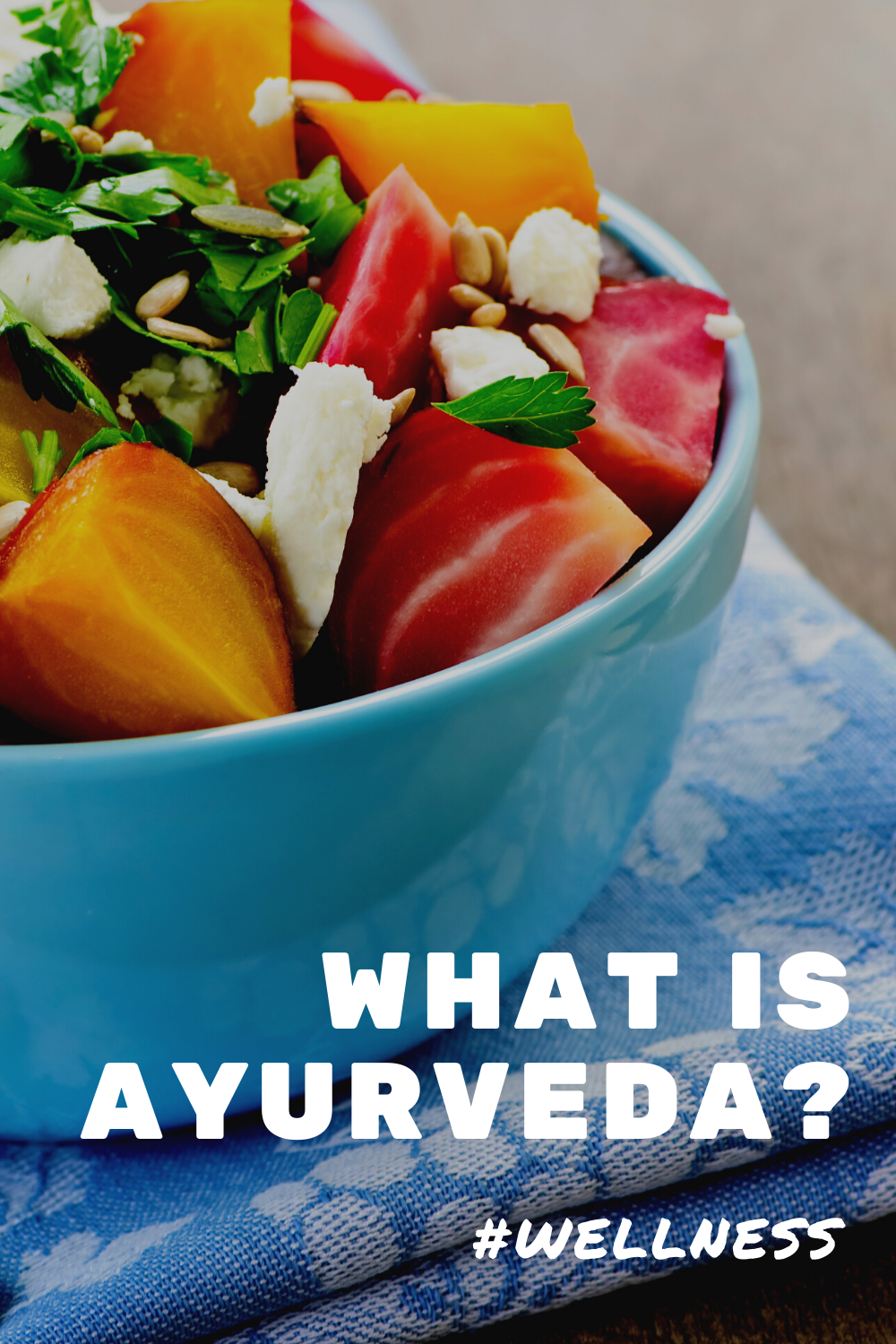
What is Ayurveda?

What is Ayurveda

Body without mind and spirit is dead. Before I started Yoga Teacher Training, I’d never heard of Ayurveda healing before. I definitely knew about holistic healing and non-traditional methods for maintaining a healthy mind and body. But I had no clue what Ayurveda was. Ayurveda is a science of life (Ayur = life, Veda = knowledge).

“We are wellness. We are consciousness. That is our natural state. Disease is an impostor.”

Path of Practice: Ayurvedic Book of Healing with Food, Breath and Sound
By Maya Tiwari

Ayurveda the science of life. It is several thousands of years of science-based on the Vedas. (The Vedas are the world’s oldest existing form of literature.) Ayurveda is one of the world’s most sophisticated and powerful mind-body health systems. The guiding principle in Ayurveda is that the mind and the body are inextricably connected (balance).

What is Ayurveda
Ayurveda’s guiding principle is that the mind and the body are inextricably connected.

Nothing has more power to heal and transform the body than the mind. Ayurveda can be used as a preventive health care system by keeping the body balance. It can also be used as a responsive system to bring the body back into balance.

Traditional health care seeks to treat symptoms. Instead, Arurveda seeks to treat the entire person and seeks to bring him/her back into a state of balance. The balance is achieved through diet, exercise, and lifestyle.

We tend to think that newer is always better. There is new technology coming out every day and we always want the newest gadget. However, just because something is newer, doesn’t mean it’s always better. People often turn to Ayurveda when they experience side effects from traditional western medicine.

“Where advantageous and disadvantageous, as well as happy and unhappy states of life, along with what is good and bad for life, its measurement and life itself are described, that science is known as Ayurveda.”

Charak Samhita – Sutra Sthan, Chapter 1, Verse 41

Nature and humans are connected and part of the same cosmos and its universal energies. Ayurveda uses the inherent principles of nature by keeping the individual’s mind, body, and spirit in balance with nature. The goal with Ayurveda is to find your balance, and then stay in balance. Balance means a life that is bestowed with a healthy body, a balanced mind free from negative emotions and filled with divine consciousness.

Ayurvedic Philosophy

Ayurvedic philosophy is based on the 5 elements of your body:

  • Ether (space) – hollow parts of our body; helps us move around
  • Air – inhaled during our breathing
  • Fire – digestion; breaks down the food we eat
  • Water – about 2/3 of our body and we need water to survive
  • Earth – in our bones and in our vital minerals that keep us healthy

The 5 elements in their biological form are present in our body as the Tridosha (fundamental life energies). The doshas govern the function of our body on a physical and emotional level. Ayurveda is the belief that life is not just the beating of a heart and respiration, the sense organs are responsible for gathering knowledge, communication, and our actions.

Tridosha is made up of 3 doshas. The 3 doshas are:

  • VATA – ether + air (generally thin people and sometimes hard to gain weight; may tire easily; should stay warm; creative and gets bored easily)
  • PITTA – fire + water (generally medium-sized; muscular; intelligent with a sharp wit; good leaders)
  • KAPHA – water + earth (sturdier heavy frames; lots of stamina; positive outlook on life; slow eaters; calm and affectionate)

Every activity and function of our mind and body is dependent upon the balanced or unbalanced state of our doshas. Everyone is born with a different and unique balance of the doshas. No two people are alike so the goal is to find what our own special combination of doshas is and to work to keep those balanced. Learning about your doshas can help you work with your natural strengths and strengthen your weaknesses.

Looking for balance? Check out this article on 7 Ways to Be Happier!

I also love this Ayurveda Cookbook for Beginners!

Learn More

Ayurveda Cooking for Beginners: An Ayurvedic Cookbook to Balance and HealAll Natural Cookie CleanerWater Bottle with Time Marker
What is Ayurveda
What is Ayurveda
Follow:

7 Ways to Be Happier Now

Ways to Be Happy Now | TheYogaChick.com

How can you be happier right now? Happiness is a continuous state of quiet joy that exists in the moment from the inside out. It is not only a state of mind but a skill. It is what it means to love ourselves, love our day, love our lives. We often wonder what can we do to boost our happiness? Here are 8 ways to help you be happier even if things aren’t perfect right now.

“Being happy doesn’t mean that everything is perfect. It means you’ve decided to look beyond the imperfections.”

~Unknown
7 Ways to Be Happier Now | TheYogaChick.com
  1. Learn How to Feel Better about Yourself – You wouldn’t practice doing the dishes to get better at math. And you wouldn’t learn another language to exercise more. To be happier, you’ll likely make more progress by focusing on the skills that are most closely linked to happiness. Some suggestions are imagining your best self, noting your positive qualities and/or identifying your strengths.
  2. Get more sleep – Sleep-deprived people generally remember more negative words than positive? As one of the most researched topics in the area of happiness, sleep is the perfect place to start. Your brain needs that time to rest and recharge.
  3. Take a Walk Outside – Whether it’s our own backyard, local park or a trip to the seaside, being in nature does something to us. It has been proven to lower stress levels and increase our general happiness. In fact, research has shown that just 20 minutes outside every day can boost your mood, expand your thinking and even improve your memory.
  4. Be Kind – A little kindness goes a long way. This could be as simple as sending a thank you note to someone who has been kind to you. Or perhaps, buying someone a cup of coffee. These random acts of kindness don’t have to cost much money; it may just be holding the door for someone who has their hands full, or you could volunteer.
  5. Meditate – Meditation can actually help to rewire your brain. Taking a few moments to intentionally breathe and relax can quiet overactive and stressful areas of your brain and thicken the areas responsible for joy and pleasure.
  6. Explore gratitude. Much has been said about gratitude but I’ve heard that you have to be a really smart person to be truly grateful. It is morally and intellectually demanding. It’s easy to focus on all of the work you have to do and all of the things you aren’t doing right. It takes real effort to focus on what’s going good.
  7. Journal – Every day, journal for five minutes about one positive experience you’ve had over the past 24 hours. Try to make it as detailed as you can. Since your brain is not very good at telling the difference between something that you’re visualizing and something that you’re experiencing, when you relive a positive experience by journaling about it, you get a positive double impact from that experience.
7 Ways to Be Happier Now

At the end of the day, happiness is about how you interpret what’s in front of you. How proud you are of the way you live your life. How willing you are to enjoy simple pleasures, even if things aren’t perfect.

By practicing some of the suggestions for ways to be happier now above, you are training your mind. When your mind thinks that lots of good things are happening to you, it has a tendency to start scanning your environment for the positive, instead of looking for the negative. Since we see what we look for, this means that you’ll begin to notice more of the good things that are going on around you. And when your attention is placed on the things that are going well in your life, you feel happier.

If you are like me and you learn best from doing, here is a cool happiness workbook that you can use to get you started in the right “happy” direction.

7 Ways to Be Happier Now | TheYogaChick.com

Pictures Copyright @DynaMikePhotos.com

Follow:

Disclosure

Some links on my website may be affiliate links and I may earn revenue from purchases as a result of buying something through those links.